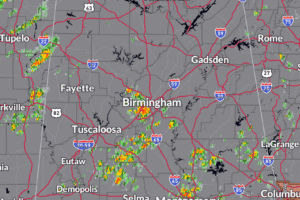
Thunderstorms Bubble as Heat Cranks Higher
Scattered storms will dot Alabama this afternoon, but the real story is the rising heat and humidity set to intensify through midweek.

Scattered storms will dot Alabama this afternoon, but the real story is the rising heat and humidity set to intensify through midweek.
Fresh herbs make any meal more flavorful and beautiful. Whenever I have an abundance of basil, I always make a batch of my Spicy Fresh Basil Pesto.
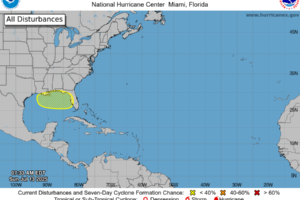
Classic July weather is in store for Alabama with heat and humidity through the early part of the week although rain chances will increase later in the week as we see some increase moisture from a tropical disturbance to our south.

Temperatures were in the mid 80s to the lower 90s across the state, with Andalusia coming in as the hot spot at 92, while Eufaula and Cullman were the cool spots at 84. Birmingham was at 86.

Few things feel as effortlessly romantic as a slow afternoon in Italy: the hum of a Vespa on cobblestone, the scent of espresso, lemons and rosemary, and the neatly lined rows of cypress trees.
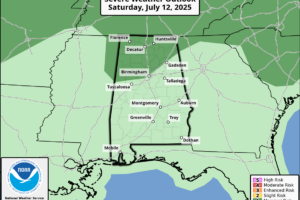
Summer heat and humidity are in full swing across Alabama, with daily chances of pop-up storms and a few strong ones in the mix — it’s a classic July pattern that’s not going anywhere soon
Spring in Alabama is a wonderful time of the year. It can also bring rain – rain that we need for spring flowers and green lawns. However, those rains, especially the heavy downpours common in our area, can cause problems in yards where drainage is an issue.
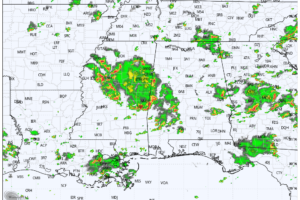
RADAR CHECK: As you might expect on a summer afternoon, we have random, scattered showers and thunderstorms across Alabama today… most active over the northern 2/3 of the state. Stronger storms are producing heavy rain, gusty winds, and gobs of lightning. Away from the storms temperatures are mostly in the upper 80s and low 90s.
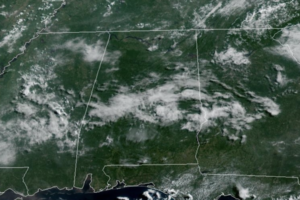
Hot temperatures, high humidity, and scattered afternoon and evening showers and storms, it is summer in Alabama. This afternoon, rain and storms will be common across the Alabama landscape with rain chances above 60%.

Plenty to see and do, both indoors or outdoors. So, no matter what the weather does, you don’t have to stay cooped up at home.
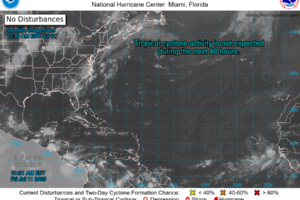
SUMMER DAYS: Alabama’s weather won’t change much through the weekend. Partly to mostly sunny, hot, humid days with a few afternoon and evening showers and thunderstorms around in spots. Highs around 90 today, followed by low 90s tomorrow, and mid 90s Sunday.
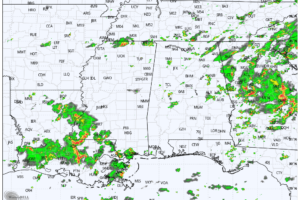
RADAR CHECK: Again today we have the classic summer case of random, scattered showers and thunderstorms across Alabama. They are most numerous over the northern 2/3 of the state, and will fade away quickly after sunset.

Humid, unstable air covers Alabama today, allowing for scattered to numerous showers and storms across the Alabama landscape today. Though most activity at the writing of this forecast is isolated, but will increase through the afternoon.
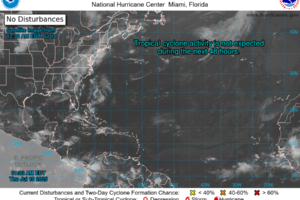
SUN AND STORMS: We actually have a few isolated showers on radar early this morning before sunrise, but most of the showers and thunderstorms across Alabama will come this afternoon from about 1:00 until 10:00 p.m. The air is a bit more unstable today; odds of any one specific spot getting wet are 55-65 percent


 Our long time friend, mentor, and charter Weather Factory member, J.B. Elliott, passed away on May 11, 2015. Click HERE to read James' tribute.






Notifications